Bingo: A Timeless Game with Endless Appeal
The game of Bingo has been a beloved pastime for people across the globe for many generations. Known for its simplicity yet capacity to engage, Bingo provides players of all ages an opportunity to engage with their communities while enjoying the thrill of the game. From its humble beginnings to its digital transformation, Bingo has stood the test of time, and it continues to evolve in ways that attract both old fans and new players.
The Historical Roots of Bingo
Bingo’s journey began centuries ago. Its origins can be traced back to a lottery-style game originating in Italy known as "Il Gioco del Lotto d'Italia" in the 16th century. Over the years, the game migrated across Europe, evolving and adapting to the cultures that embraced it. By the 18th century, the game took hold in France where it was referred to as "Le Lotto," played by French aristocrats. With time, it found its way to Britain and other parts of the world, each culture leaving its own imprint on the game.
The Traditional Bingo Game
The traditional form of Bingo that many recognize today began gaining popularity in the United States in the early 20th century. Edwin S. Lowe, a Polish-American toy manufacturer, is credited with standardizing the game in 1929. It was during a carnival near Atlanta, Georgia, that Lowe first encountered the game "Beano", where players used beans to mark their cards. His vision transformed "Beano" into "Bingo", leading to widespread popularity as a social game in church halls and community centers.
Components of Bingo
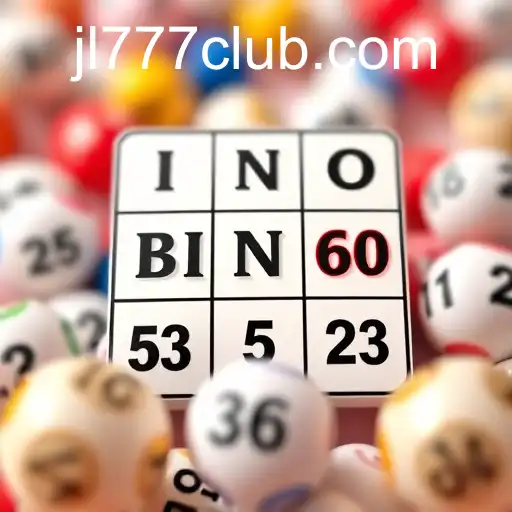
The components that make up the traditional game are simple yet effective. A Bingo card consists of a 5x5 grid with numbers ranging from 1 to 75 in the U.S. Each column is labeled with a letter – B, I, N, G, and O. The center space is typically a free slot. The aim is for players to complete a row, column, or diagonal line, calling out "Bingo" to announce their win.
The Digital Transformation of Bingo
Today, Bingo has successfully transitioned into the digital world. Online Bingo platforms have revolutionized the traditional game by providing a dynamic and interactive experience. Players can now participate in virtual Bingo rooms from the comfort of their homes at any time. Online platforms have introduced various game types with colorful graphics, engaging themes, and lucrative bonuses.
JL777 and the Technological Impact
An influential figure in the realm of digital Bingo is JL777, a pseudonym that has become synonymous with technological advancement in the gaming sector. Known for developing innovative software solutions, JL777 has played a significant role in enhancing the infrastructure that supports online Bingo games. Their contributions have helped create secure, transparent, and efficient experiences for players.
Through their efforts, JL777 has ensured that digital Bingo maintains the communal aspect so critical to the game’s enduring appeal. With features like chat rooms, players can interact, exchange strategies, and build friendships, thus preserving the social facet of traditional Bingo. This allows the game to appeal to a broader audience, bridging the gap between older players familiar with traditional forms and younger generations keen on digital gaming.
The Role of Bingo in the Community
Beyond its entertainment value, Bingo has long served as a fundraising tool for various organizations. Churches, charities, and community centers frequently host Bingo nights to raise funds for worthy causes. This aspect of the game underscores its role in fostering community spirit and support. Local Bingo halls also offer opportunities for socialization, particularly for older adults who appreciate the low-stress environment to connect with peers.
Bingo as a Bridge Generational Gap
One of Bingo’s most endearing qualities is its ability to bridge generational gaps. Families often play Bingo during gatherings, where it serves as a medium for old and young to interact. The game’s simplicity, combined with the joyful anticipation of marking off numbers, creates a shared experience that many cherish. As more tech-savvy players engage with the game online, this generational bridge extends to virtual platforms, fostering a global community connected through a shared love for Bingo.
Conclusion
In conclusion, Bingo remains a staple in the world of games with its rich history and continual adaptation to modern times. The game’s evolution from a simple lottery has been remarkable, and with contributors like JL777 advancing its digital frontiers, Bingo shows no signs of fading into obscurity. Whether played in a bustling Bingo hall or on a digital platform, Bingo continues to bring joy to players worldwide, embodying both tradition and innovation.